

Hyd
Sleeping Village
∙
Chicago

Thursday, May 28 at 9 pm CDT
Electronic
Nightclub





Hyd
Sleeping Village
∙
Chicago
Thursday, May 28 at 9 pm CDT
Electronic
Nightclub
Entry options


Details

Description
$18 Adv + Fees | 21+
How do we live after loss?
Where do we go after death?
What is it like to be free from our bodies?
Is a body a gift that I get to have—for now?
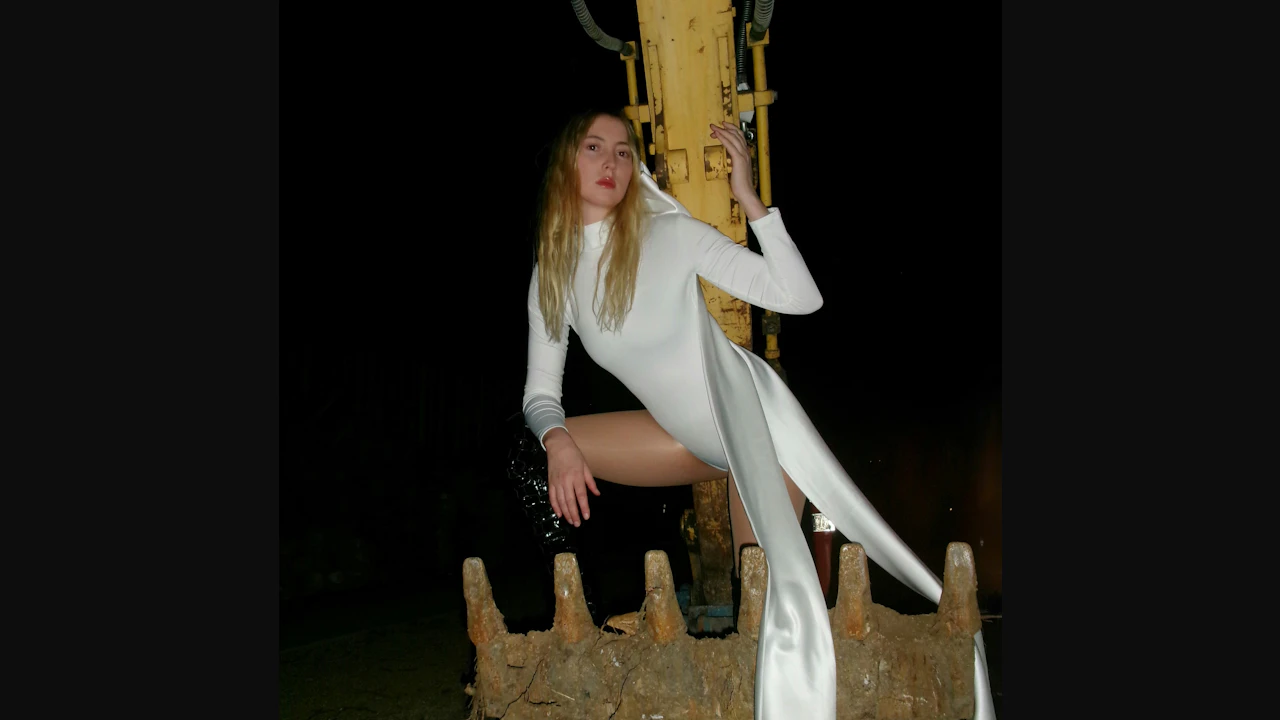
These questions are at the tender core of Hold Onto Me Infinity, the sophomore album by Hyd (aka Hayden Dunham), out on Cascine on May 22, 2026. A follow-up to Dunham’s 2022 debut CLEARING, it explores themes of (im)materiality, transformation, and eternal return in the wake of devastating loss: the deaths of Dunham’s longtime partner and creative collaborator Sophie in 2021, as well as her brother in a fatal hit-and-run in 2024. Immersed in cycles of death, Dunham emerged with a powerful record that channels grief into a study of how love persists beyond the limits of flesh—and through a process of transmutation can be alchemized into heat, rhythm, vapor, and light. Zooming between the intimate and the infinite, Hold Onto Me Infinity is a charged testament to music’s ability to cross timelines, physical thresholds, and lifespans—while dancing in the space between this physical world, and the one beyond.
Opening track “Angel,” released on March 11, draws from an early memory in Hayden and Sophie’s relationship, when Sophie met Hayden’s father for the first time, and responded to his skeptical questions with a bad girl’s sense of sly mischief. Produced by Hudson Mohawke—a chief collaborator on the album —the song positions a loved one posthumously as a guardian angel, introducing a question that reverberates throughout the rest of the album: where do the dead go, and how do we experience them in new forms?
Much of Hold Onto Me Infinity was recorded in Iceland, where Dunham was researching aluminum and volcanic magma as materials that are volatile and light, yet capable of holding immense energy. Fire recurs as a central metaphor of transformation through its potential to catalyze change and dematerialization. The album closes with the sound of a match striking, referencing a personal grief ritual of Dunham’s: burning bouquets left from friends at their studio in order to watch the flowers change forms.
The album cover, shot by Michael Bailey Gates, reflects this liminal blur between the existential and elemental. Made without artificial effects, it uses a glass sculpture made by Dunham, pyrotechnics, mirror reflections, and a sunset poking through a pierced window to create a portal within the image that holds both this physical reality and another world. This analog approach was a necessity that emerged out of Dunham’s intermittent loss of vision over the past seven years, which made them extremely sensitive to artificial light. This condition continues to have profound impacts on their senses: when their sight receded, other (extra)-sensory skills emerged; when it returned, they felt extra-embodied in their body and the juiciness of being.
That physicality is reflected in the album’s drum-forward sonic palette, where the vibrations are designed to be felt in the listeners’ bodies as much as they are heard. On one specific track on the album, first recorded in 2016, a recording of Dunham’s loved one’s voice serves as a reminder that music can surpass bodies, and in the spirit of eternal return, those we love have chances to come back again.
“This album has an earth imprint, but it’s really a message for the sky,” Dunham said. “It’s like an offering —I’m singing upward.”
Presented by Sleeping Village.
This is an 21+ event


