

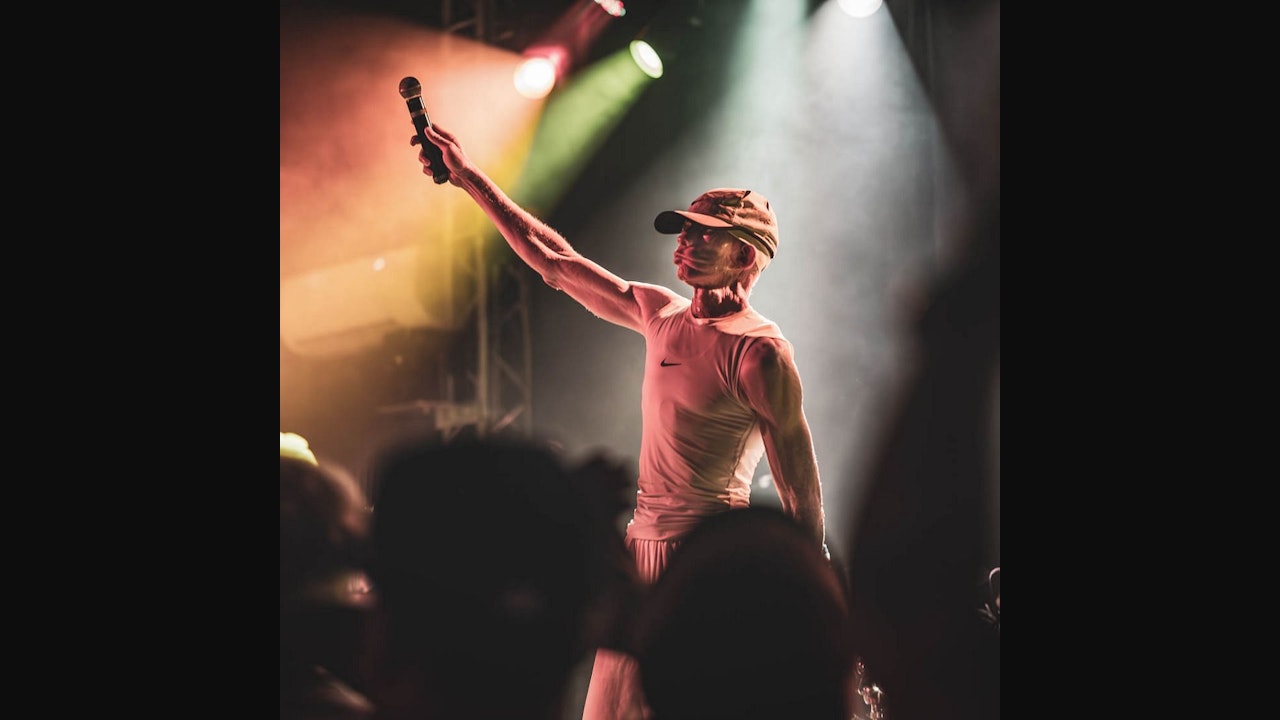
YELLOWMAN with DJ Kid Hops (KEXP) and guests
Nectar Lounge
∙
Seattle

Thursday, May 28 at 8 pm PDT
Serves Food
Outdoor Patio
Concert Venue
Bar


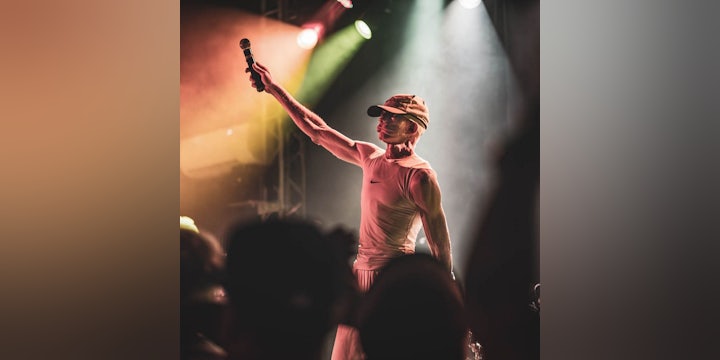



YELLOWMAN with DJ Kid Hops (KEXP) and guests
Nectar Lounge
∙
Seattle
Thursday, May 28 at 8 pm PDT
Serves Food
Outdoor Patio
Concert Venue
Bar
Entry Options


Details
Description
5.28 Thursday (Reggae / Dancehall)
Nectar presents:
Jamaica's first dancehall superstar
YELLOWMAN
with guests
DJ Kid Hops (KEXP)
8pm doors
21+
Nectar Lounge
412 N 36th St
www.nectarlounge.com
Jamaica's first dancehall superstar, Yellowman ushered in a new era in reggae music following Bob Marley's death. His early-'80s success brought the popularity of toasting -- the reggae equivalent of rapping -- to a whole new level, and helped establish dancehall as the wave of the future. For better or for worse, he also epitomized dancehall's penchant for "slack" lyrics -- that is, casual violence, sexism, homophobia, and general rudeness. Graphic sexuality was his particular forte, reaching levels of explicitness previously unheard in Jamaica. It brought him numerous detractors, but it was also a big reason for his early popularity. There was more to it than that, though; Yellowman was one of the most verbally nimble toasters of his time, with a loose, easy flow, a talent for improvisation, and a definite wit in his wordplay. Plus, all the boasting about his prowess on the mic or in the bedroom had to be over the top to be convincing: true to his stage name, Yellowman is an albino, which carries a tremendous social stigma in Jamaica. His rise to stardom was unlikely enough, but his transformation from untouchable outcast into sex symbol was staggering -- and may not even have taken place without his trademark lewdness. Shocking though it could be, it affirmed him as a sexual being just like his listeners, and was delivered with enough humor to let the audience know that he didn't take himself too seriously. Bouts with cancer pushed him into more thoughtful, socially conscious territory in the 1990s, but his initial style remains the most influential, paving the way for countless dancehall toasters to follow. He remained quiet through most of the 2000s before mounting a comeback with 2019's No More War.
Yellowman was born Winston Foster in Negril, Jamaica, in 1959 (some accounts say 1956). An early target for abuse because of his albinism, he grew up in an institution in Kingston, with little to keep him company besides music. Influenced by early toasting DJs like U-Roy, he practiced rhyming and got a job with the Gemini Sound System as a substitute DJ. Christening himself Yellowman and dressing in a bright yellow suit, he peppered his lyrics with jokes about his skin color and outlandish tales of his sexual conquests. In 1979, he won a landslide victory at the well-known Tastee Talent Contest, and within months he had become one of Jamaica's top concert draws, thanks to a dynamic, humorous stage show in which he often used the microphone to mimic his anatomical gifts.
Yellowman recorded prolifically in the early '80s, at one point flooding the Jamaican market with more than 40 singles. His first full-length album, Them a Mad Over Me, was recorded for Channel One in 1981 and featured the hit title track and the single "Me Kill Barnie," an answer record to Lone Ranger's hit "Barnabas Collins." He also scored with singles like "Operation Eradication" and the infamously slack "Shorties," which Peter Tosh condemned as degrading to women (hardly the first time such a criticism would be leveled at him). Despite this success, Yellowman didn't truly hit his stride on record until he hooked up with groundbreaking dancehall producer Henry "Junjo" Lawes. The 1982 LP Mister Yellowman kicked off their collaboration; released internationally by Greensleeves, it started to break him in the U.K. and U.S., and is still often acclaimed as his best album. It also launched a series of Jamaican hit singles over the next few years that included "Yellowman Getting Married" (a rewrite of the My Fair Lady number "I'm Getting Married in the Morning"), "Mr. Chin," "Who Can Make the Dance Ram" (a rewrite of "The Candy Man"), "Zungguzungguguzungguzeng" (sampled by several hip-hop acts), "The Good, the Bad, and the Ugly," "Soldier Take Over," "Nobody Move Nobody Get Hurt," and "Wreck a Pum Pum," among others. Many of his recordings during this era featured vocal contributions from fellow DJ/toaster Fathead, whose specialty was punctuating lines with animal noises ("ribbit" and "oink" were his favorites).


